
A truly memorable wedding is never the result of decoration alone. It is the outcome of thoughtful wedding design – and no, it’s not the same thing.
Design means that space, color, atmosphere and materials are carefully orchestrated to create a coherent and refined experience. And this is where the role of a wedding designer becomes essential.
Many couples imagine wedding design as flowers, centerpieces or table décor. In reality, the work of a wedding event planner and designer involves shaping the entire visual identity of the celebration and translating a venue into an environment that can host an immersive event.
At Paolo Cicognani Exclusive Events, wedding design is not an accessory added at the end of the planning process. It is a strategic layer developed from the very beginning, where each decision, from spatial layout to color composition, contributes to the overall atmosphere.
If you have ever wondered “What does a wedding designer do?”, the answer lies in a delicate balance between creative vision and practical understanding of how events truly function. Continue reading to learn more about the key aspects of wedding designing.

#1. Study of spaces
One of the first and most fundamental aspects of wedding design is the study of the venue.
When designing installations for a ceremony or banquet, understanding the architecture and the proportions of the space is crucial. A common DIY mistake is trying to decorate every corner simply to fill empty areas: this approach rarely works and often results in wasted budget and diluted visual impact. Effective design focuses attention.
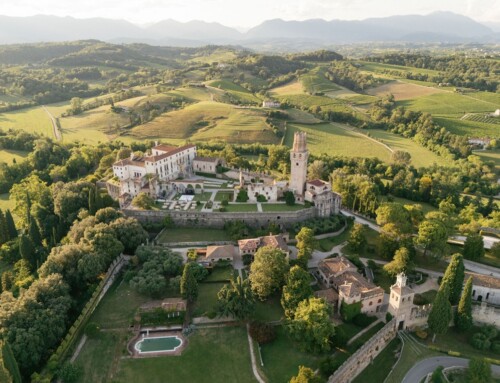
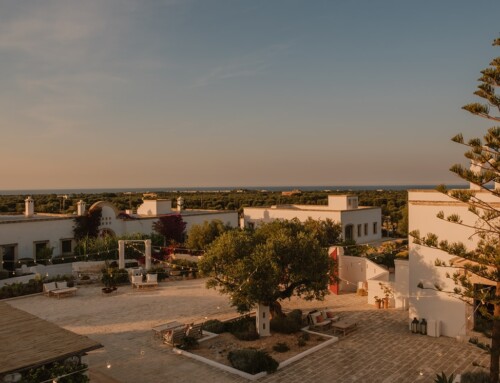
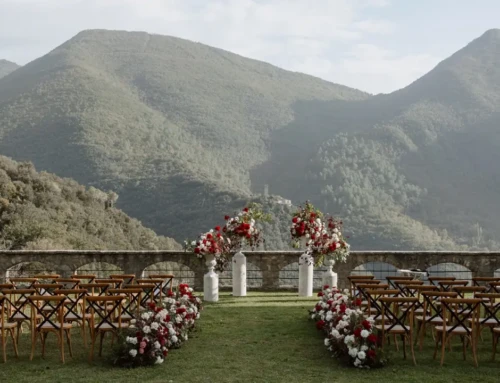
A professional, skilled wedding designer identifies specific focal points – perhaps a courtyard, a terrace, a staircase or a garden path – and concentrates the visual effort there. By creating clear visual anchors, guests instinctively understand where to look and where the key moments of the event unfold.
 |
 |
 |
#2. Color harmonization
For many years, weddings were built around a single color theme. In the most recent wedding trends, the approach to color in wedding design has evolved significantly.
Modern weddings often mix multiple tones, textures and contrasts to create more dynamic visual compositions. Bold and lively palettes can coexist with softer shades, creating layered environments where colors interact naturally.
The important factor is always harmony: even when several colors are used, the palette must remain balanced. Each tone should contribute to the overall atmosphere rather than compete with others.
An experienced wedding designer understands how colors behave under natural light, candlelight or evening illumination, and how fabrics, flowers and decorative materials influence perception. The goal is not to limit creativity, but to guide it so that the final result feels cohesive rather than chaotic.

#3. Props and decorative elements
The most refined wedding design emerges from details, such as the use of props and decorative elements. Borrowing a concept from filmmaking, you might call it “set design”.
Fresh flowers and candles are surely an essential part of wedding décor, together with objects, textures and architectural accents that add depth and character to the environment. Furniture pieces, lanterns, fabrics or sculptural elements can transform a simple setting into something much more evocative.
The role of the wedding designer is to curate these elements so that they align with the overall concept of the celebration. Each object must feel intentional and connected to the narrative of the event. When props are used thoughtfully, in fact, they enrich the atmosphere without overwhelming it.

#4. The importance of table setting
Among all design elements, the table setting plays a central role during the reception.
Guests spend a large portion of the evening at the table, making it one of the most visible and memorable aspects of the celebration. For this reason, attention to linens, cutlery, glassware and centerpieces is essential – and not just as part of the catering experience.
A refined table design does not necessarily require extravagance. Often, the most elegant solution is achieved through balanced proportions, beautiful materials like textured fabrics, stunning flowers and a coherent color palette. All these elements must always remain consistent with the architecture of the venue and the broader design concept.
When executed properly, the table becomes not just a place to dine but a key visual moment of the event.

Wedding design and planning: our integrated approach
Another important aspect, often overlooked, is that wedding design must work hand in hand with planning.
A beautiful installation placed in the wrong location may interfere with service or disrupt guest movement. Lighting choices influence photography and atmosphere. The layout of tables affects the rhythm of speeches and dinner service.
For this reason, we at Paolo Cicognani Exclusive Events develop wedding planning and design simultaneously. Each aesthetic decision is evaluated not only for its visual impact but also for its practical implications.
This integrated approach ensures that your wedding looks beautiful while also functioning smoothly.

The value of professional wedding design
Couples often begin their wedding journey getting inspired by images and trends. While inspiration is valuable, translating those ideas into a coherent and luxurious event requires experience.
Professional wedding designers like us do not simply replicate trends: we interpret the venue, your personality and your overall vision of the wedding to create something unique and tailor-made. The result is an extraordinary celebration that feels harmonious and memorable, not because it follows a trend, but because every element has been designed with purpose.
That is ultimately the essence of great wedding design: creating an environment where beauty, atmosphere and guest experience come together. If you wish to explore how thoughtful design can transform your wedding, get in touch with us: our team will be delighted to guide you through every step of the process.